How to Avoid Speed Camera Tickets India: Ultimate Guide
Introduction
How to avoid speed camera tickets India is a question every long-haul driver asks before hitting the highway. Indian drivers face a growing network of speed cameras, radar traps and red-light sensors that can turn a routine trip into a costly fine. This guide shows you practical, legal tactics-plus the technology that gives you a heads-up-so you can stay compliant, keep your wallet safe and drive with confidence.

Understanding Indian Speed Camera Zones and Their Legal Limits
The first step to avoid speeding fines Indian highways is to know where the cameras sit and what limits they enforce.
Speed camera hotspots are typically placed at:
- Expressway toll plazas - where traffic flow is high and enforcement is strict.
- Urban arterial roads - especially near schools, hospitals and commercial districts.
- Intersections with high accident rates - red-light cameras protect vulnerable crossing points.
Each state publishes its own speed-limit chart, but the common legal thresholds are:
- 80 km/h on most four-lane expressways.
- 100 km/h on six-lane, controlled-access highways.
- 50-60 km/h within city limits and near schools.
[!NOTE] The limits are not suggestions; they are backed by the Motor Vehicles Act, 1988 and recent amendments that increase penalties for repeat offenders.
Understanding these zones lets you anticipate when a camera might appear, even before your GPS pings.
How Real-Time GPS Alerts Can Prevent Speeding Fines
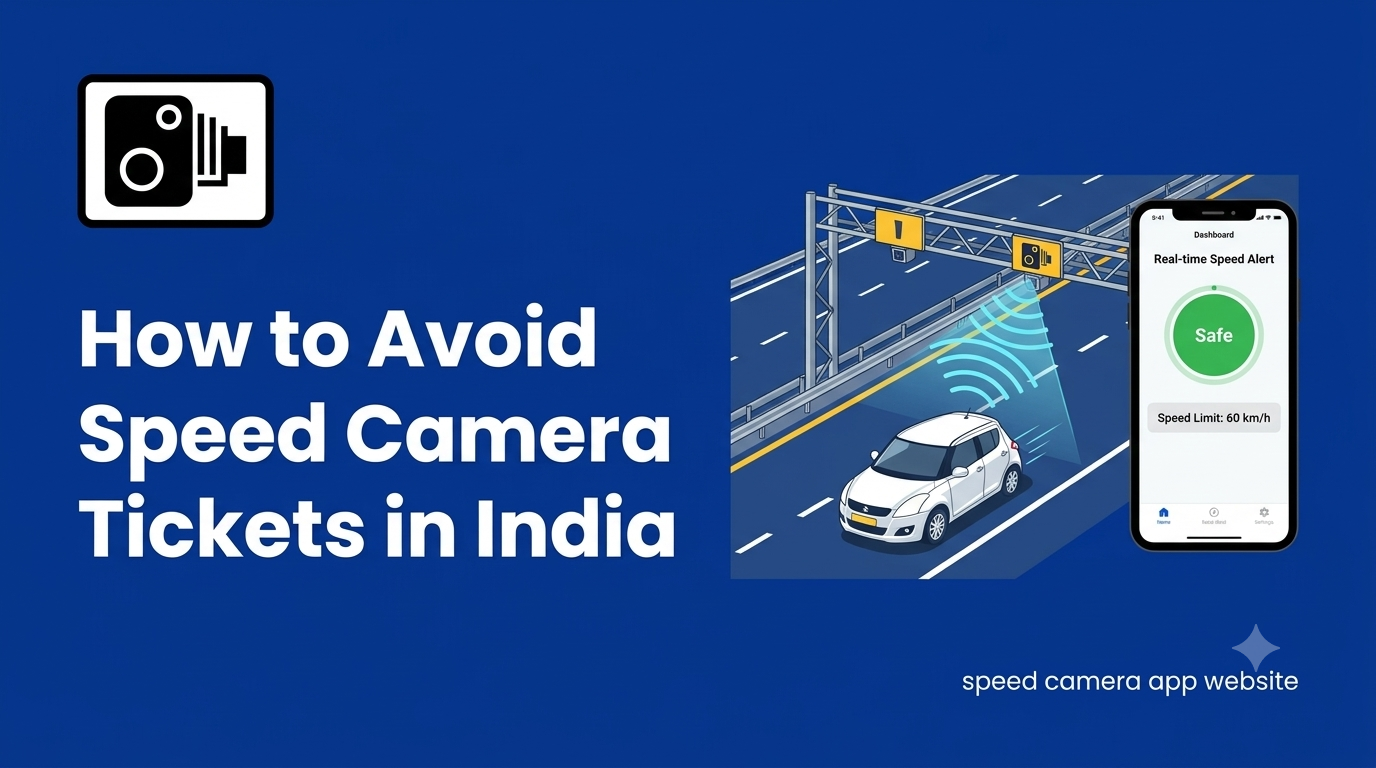
Real time speed camera warnings are the most reliable defensive tool for modern Indian drivers. A GPS-based alert system monitors your position against a continuously updated database of camera locations and flashes a warning before you enter the zone.
Why GPS alerts work better than guesswork
- Precision - The app knows your exact latitude and can calculate the distance to the next camera in meters.
- Timeliness - Alerts appear 200-300 meters ahead, giving you enough time to adjust without sudden braking.
- Context - Along with the warning, you see the speed limit for that stretch, so you know the exact target speed.
Speed Camera & Radar provides exactly this blend of GPS speed camera app guide functionality: a smart speedometer, speed-limit warnings and route intelligence that keep you aware of Indian traffic camera locations.
Setting up the alerts for maximum benefit
- Enable high-accuracy location in your phone settings to let the app track you continuously.
- Select “Expressway mode” to prioritize alerts on high-speed corridors where fines are steep.
- Customize the alert tone so it cuts through engine noise without startling you.
When the alert sounds, simply ease off the accelerator to the displayed limit. The app’s smart speedometer will show you in real time whether you are staying within the legal range.
Legal Ways to Adjust Your Driving Speed on High-Speed Corridors
Even with alerts, you need a disciplined approach to legal ways to reduce speed India. Here are proven techniques that keep you compliant without sacrificing travel time.
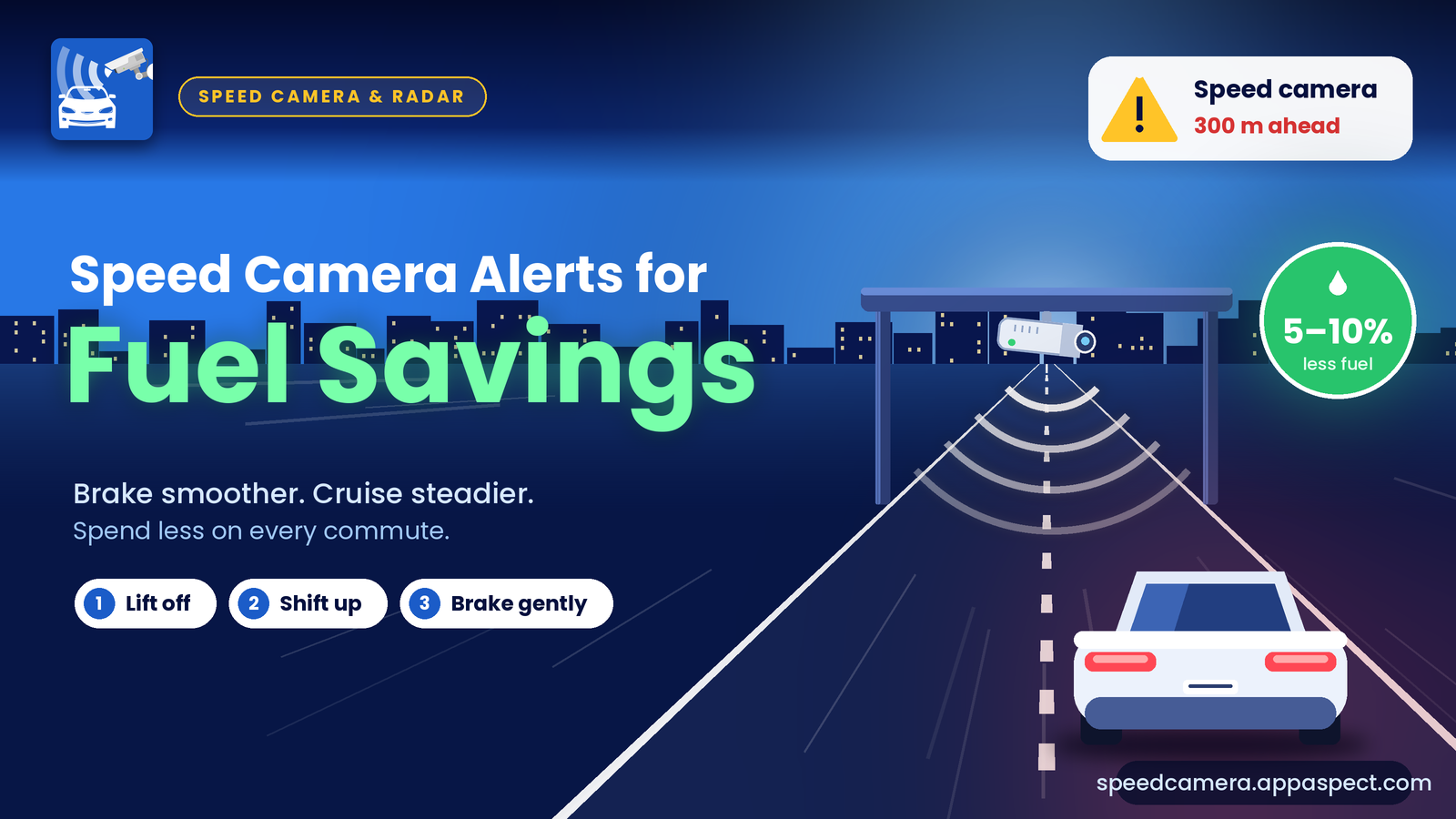
- Coasting technique - Anticipate a camera zone, lift off the throttle early and let the vehicle’s momentum carry you. This reduces fuel consumption and gives a smoother deceleration.
- Cruise control calibration - Set cruise control slightly below the posted limit (e.g., 78 km/h on an 80 km/h road). Modern cars maintain this speed accurately, removing human error.
- Lane selection - The rightmost lane on Indian expressways often has a lower average speed due to merging traffic. Staying there naturally curbs your speed.
- Periodic speed checks - Use the app’s smart speedometer to glance at your speed every 5 minutes; the habit reinforces compliance.
These habits are fully compliant with Indian traffic law and help you avoid the speeding penalties Indian law imposes.
Common Mistakes Indian Drivers Make Around Radar Traps
Many drivers think they can outsmart the system, but certain habits actually increase the risk of a ticket.
- Assuming cameras are only on toll roads - Rural highways now host hidden radar traps, especially near accident-prone bends.
- Braking hard at the last second - Sudden deceleration can trigger a red-light camera if you’re approaching an intersection, and it also endangers following traffic.
- Relying on memory of “known” camera spots - The expressway speed camera map is constantly updated; old knowledge quickly becomes obsolete.
- Turning off location services - Some drivers disable GPS to avoid tracking, but this removes the only reliable source of real time speed camera warnings.
[!WARNING] Disabling GPS not only forfeits alerts but may be interpreted as an attempt to evade law enforcement under certain state regulations.
By correcting these errors and using a dedicated navigation and safety solution, you dramatically lower the chance of an unexpected fine.
FAQs
How do speed cameras work on Indian motorways?
Speed cameras use radar or laser emitters to measure vehicle speed as you pass. The device captures a photo of the license plate and stores the speed data. If the recorded speed exceeds the legal limit for that segment, a notice is generated and sent to the registered owner.
Can a GPS app alert me to speed cameras in real time?
Yes. A GPS-based app cross-references your live location with a cloud-hosted database of camera coordinates. When you approach a known camera, the app issues an audible and visual cue, giving you a few seconds to adjust your speed.
What are the penalties for speeding in India?
Penalties vary by state but generally include:
- Fine ranging from INR 1,000 to INR 5,000 for first-time offenses.
- Higher fines (up to INR 10,000) and demerit points for repeat violations.
- Possible vehicle impoundment for extreme overspeeding (over 30 km/h above the limit).
Is it legal to use a speed camera warning app in India?
Using an app that provides speed camera alerts India is legal as long as it does not interfere with the vehicle’s operation. The app simply informs you of camera locations; it does not jam or block signals, which would be illegal.
How can I safely reduce my speed before a camera zone?
Activate the app’s alert, glance at the displayed speed limit, and ease off the accelerator gradually. Aim for a deceleration of about 2-3 km/h per second, which feels natural and keeps following traffic stable.
Key Takeaways
- Know the zones: Familiarize yourself with expressway and urban camera hotspots.
- Use real-time alerts: Enable GPS-based warnings through Speed Camera & Radar for proactive speed management.
- Adopt legal speed-control habits: Coasting, calibrated cruise control and periodic speed checks keep you within limits.
- Avoid common pitfalls: Don’t rely on memory, don’t disable location services, and never brake abruptly.
- Stay informed on penalties: Understanding the fines helps you weigh risk versus speed.
Conclusion
How to avoid speed camera tickets India boils down to awareness, technology and disciplined driving. By mapping camera zones, leveraging real-time GPS alerts, and applying legal speed-adjustment techniques, you protect yourself from costly fines while promoting safer roads for everyone.
Call to Action with How To Avoid Speed
Ready to Try It Yourself? Install Speed Camera & Radar today and let its real-time alerts guide you through Indian highways. The app’s smart speedometer and camera warnings give you the confidence to drive within legal limits and avoid unnecessary penalties. Start Using Speed Camera & Radar now.
Further Reading
- Speed limits in India - Overview of legal speed thresholds across states.
- Motor Vehicles Act, 1988 - Official government source for traffic regulations.
- National Highway Authority of India - Camera Deployment - Information on camera locations on national highways.
- Road Safety Statistics 2025 - Government report on accidents and enforcement trends.